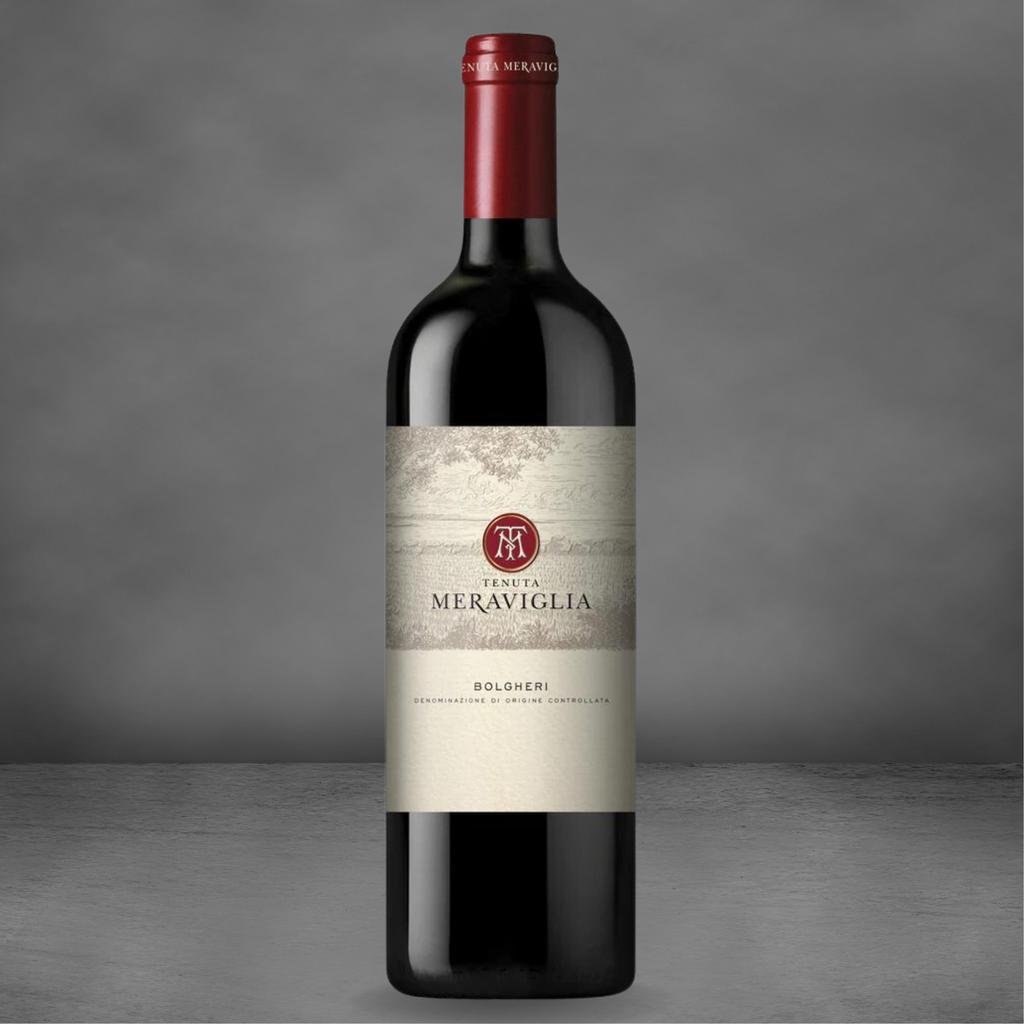
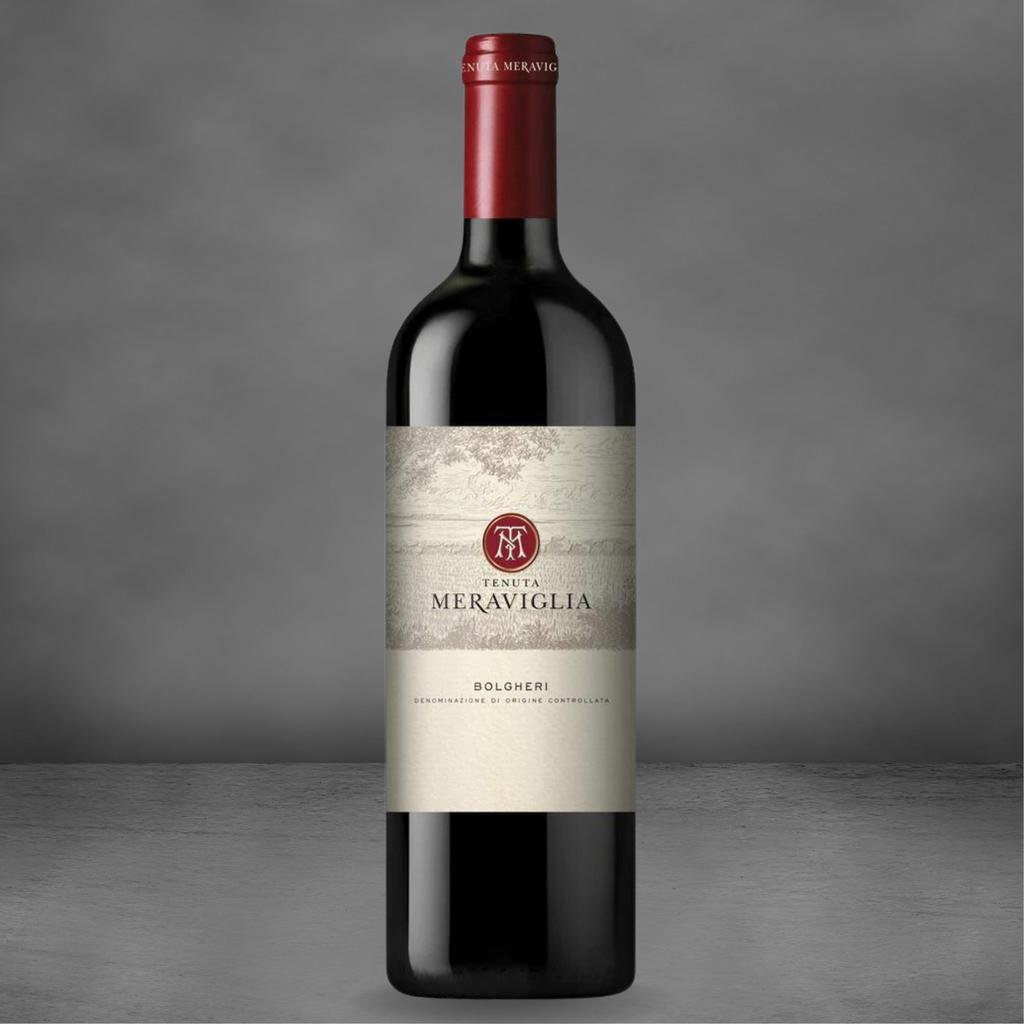
When choosing a new bottle, a wine label is one of the most useful sources of information available. It can tell you about the grape variety, geographical origin, vintage, alcohol content, and producer. These details help you understand what you are considering buying, even before you open the bottle.
For someone new to wine, however, labels can raise more questions than they answer. Some emphasize grape varieties, while others highlight a region, an estate, or a traditional classification. Terms that appear similar can also have different meanings depending on the country and the regulations that apply.
Learning how to read a wine label is not about memorizing every technical term. It is about recognizing which details matter, understanding what they communicate, and knowing what cannot be concluded from a label alone.
This guide explains the essential elements of wine labels, illustrates how to interpret them together, and provides a practical method for comparing bottles more confidently.
1. Start With the Front and Back Labels
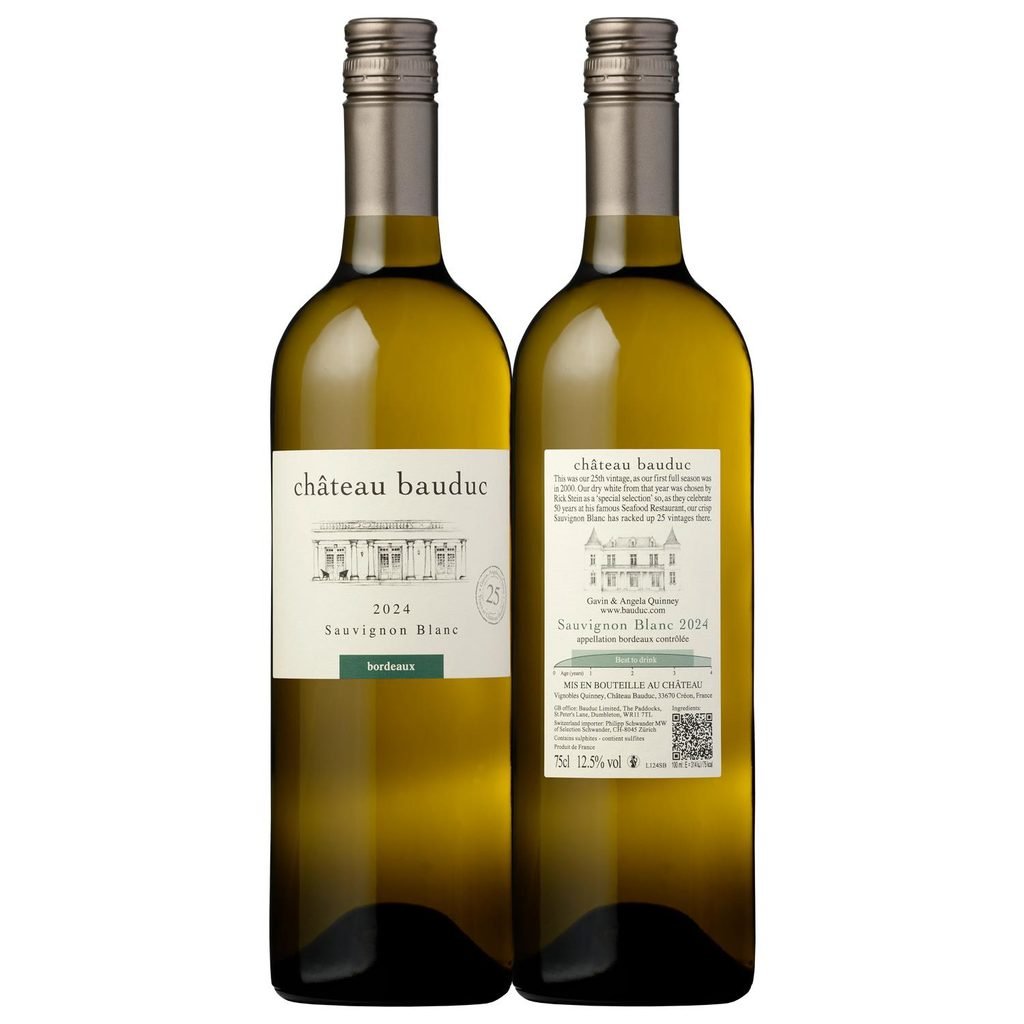
Many wine bottles have a prominent front label and a back label, although the design and placement of information vary.
The front label usually establishes the wine’s identity. It may display the producer’s name, brand, grape variety, geographical origin, vintage, or regional designation. Not every bottle includes all these details.
The back label often provides additional information. Depending on the market, it may include a description of the wine, serving suggestions, alcohol content, bottle volume, importer details, allergen declarations, or information about production.
Reading both labels gives you a more complete picture. For example, the front may emphasize a geographical name, while the back identifies the grape variety or provides details about the producer.
Descriptions such as “rich and elegant” or “full of character” can help communicate a brand’s intended style, but they are not objective guarantees of quality.
Practical tip: Start with identifiable facts, including the producer, origin, grape variety, vintage, and alcohol percentage. Consider promotional descriptions as additional context rather than proof that a wine will suit your preferences.
2. Understand the Grape Variety
The grape variety is one of the most useful clues when it appears on a wine label.
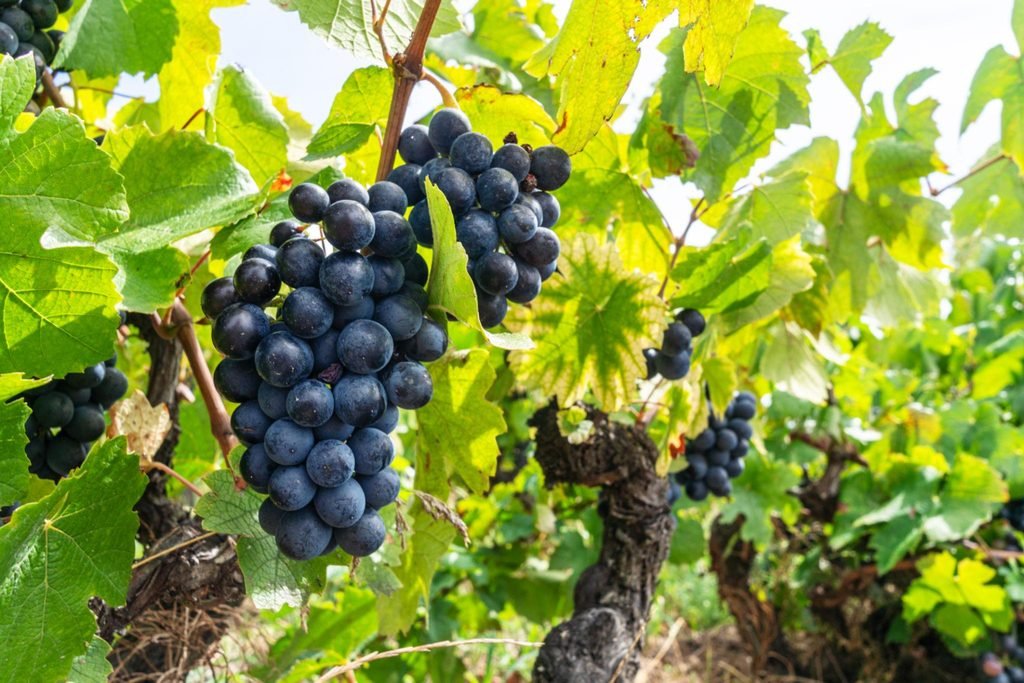
Names such as Cabernet Sauvignon, Merlot, Chardonnay, and Sauvignon Blanc identify varieties of wine grapes. Each has characteristics that can influence aromas, acidity, tannins, color, and texture. The final result also depends on climate, growing conditions, grape ripeness, and winemaking decisions.
Consider Chardonnay as an example. A wine fermented and matured in stainless steel may emphasize fresh citrus and apple characteristics. Another Chardonnay made with oak maturation may develop notes associated with vanilla, toast, or a richer texture. Neither profile is guaranteed by the grape name alone.
The same principle applies to red wines. Cabernet Sauvignon is often associated with dark-fruit characteristics and noticeable tannins, but the intensity of these qualities varies considerably between bottles.
Single-variety wines and blends
A label naming one grape variety does not necessarily mean that the wine contains 100% of that variety. The percentage required to display a grape name depends on the applicable labeling rules.
The International Organisation of Vine and Wine (OIV) has updated its international standard to specify an 85% threshold for a named grape variety. Individual national regulations may differ, so the rules relevant to a particular bottle should be checked when exact composition matters.
Blended wines combine grapes from different varieties. Blending can be used to create a particular style, balance different characteristics, or maintain consistency between releases.
When a label names a grape, treat it as an important starting point rather than a complete description of the wine.
3. Read the Country and Region of Origin
Geographical information helps explain a wine’s identity and production context. A label might identify a country, a broad region, a protected appellation, or a specific vineyard.
These descriptions are not interchangeable. A country provides a broad geographical reference, while a more specific designation may be associated with defined production requirements.
Compare two illustrative examples:
- Chilean Cabernet Sauvignon: identifies the country and the named grape variety, subject to the applicable labeling rules.
- Burgundy, France: emphasizes a French wine region known for its appellations and regional wine traditions.
In regions such as Burgundy and Bordeaux, labels often emphasize the geographical appellation rather than displaying a grape variety prominently. The permitted grapes and production requirements depend on the particular appellation.
You may encounter terms such as AOC or AOP in France, DOCG in Italy, and DO in Spain. These belong to different regulatory systems, and their requirements are not identical.
A recognized geographical designation can provide information about origin and applicable production standards. It does not guarantee that every bottle will taste the same or that every consumer will prefer it.
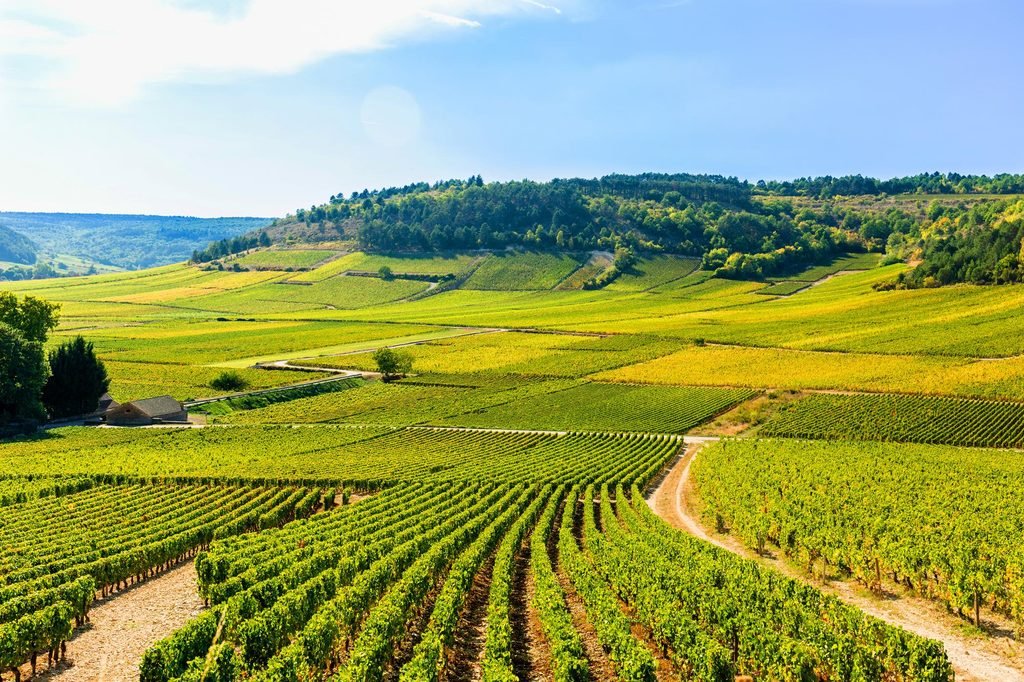
The concept of terroir is also relevant here. It describes the combination of environmental and human factors associated with a wine’s place of origin, including climate, soil, landscape, and viticultural practices. It is useful context, but it does not replace the specific information printed on the label.
4. What Does the Vintage Year Mean?
The vintage is the year associated with the harvest of the grapes used to make a wine, subject to the applicable labeling rules. It is not necessarily the year the wine was bottled, released, or purchased.
A bottle displaying 2022, for example, generally identifies the harvest year rather than the year it reached the store.
Why weather matters
Growing conditions change from year to year. Temperature, rainfall, frost, and the timing of harvest can affect grape development, ripeness, and acidity. These variations may influence the resulting wine’s character.
Vintage differences can be particularly noticeable in regions where weather varies considerably between seasons. However, the effect of a particular year depends on the region, grape variety, and winemaking decisions.
Is an older vintage always better?
No. Many wines are intended to be enjoyed relatively young, while others can develop additional complexity under suitable aging conditions.
There is no single aging timeline that applies to every wine. Structure, acidity, tannins, sweetness, production methods, and storage conditions all influence how a wine develops over time.
Some sparkling wines and other wines are labeled without a vintage. Non-vintage wines may combine wines from multiple harvest years to maintain a consistent style, although practices vary by category and producer.
When comparing vintages, consider the wine’s style and seek reliable information about the particular region and year. A more recent date does not automatically mean better quality, and an older date does not guarantee improvement.
5. Understand Alcohol by Volume (ABV)
Alcohol by volume, usually written as ABV, indicates the percentage of a beverage’s volume represented by alcohol.
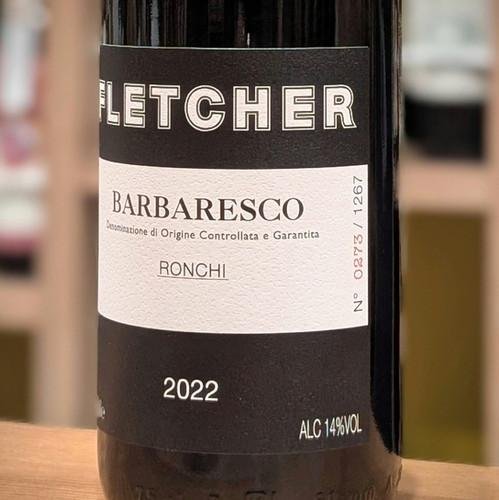
A wine labeled 12.5% ABV has a stated alcohol concentration of 12.5% by volume. A bottle marked 14% ABV has a higher stated concentration.
Alcohol percentage can offer a useful clue when comparing wines, but it does not determine body on its own. A wine with higher alcohol may create a fuller impression or a warming sensation, yet acidity, tannins, residual sugar, fruit concentration, and winemaking choices also influence texture and perceived weight.
For example, two wines with similar ABV values can feel quite different in the mouth. One may seem fresh and light because of its acidity, while another may feel broader and richer because of its overall structure.
Use ABV as one point of comparison rather than a definitive measure of quality, intensity, or style.
Alcohol percentages are also relevant when considering consumption. The amount of alcohol in a serving depends on both the beverage’s strength and the quantity consumed. A percentage on a label is useful information, not a guarantee that a particular amount is safe for every person.
6. Identify the Producer and Bottler
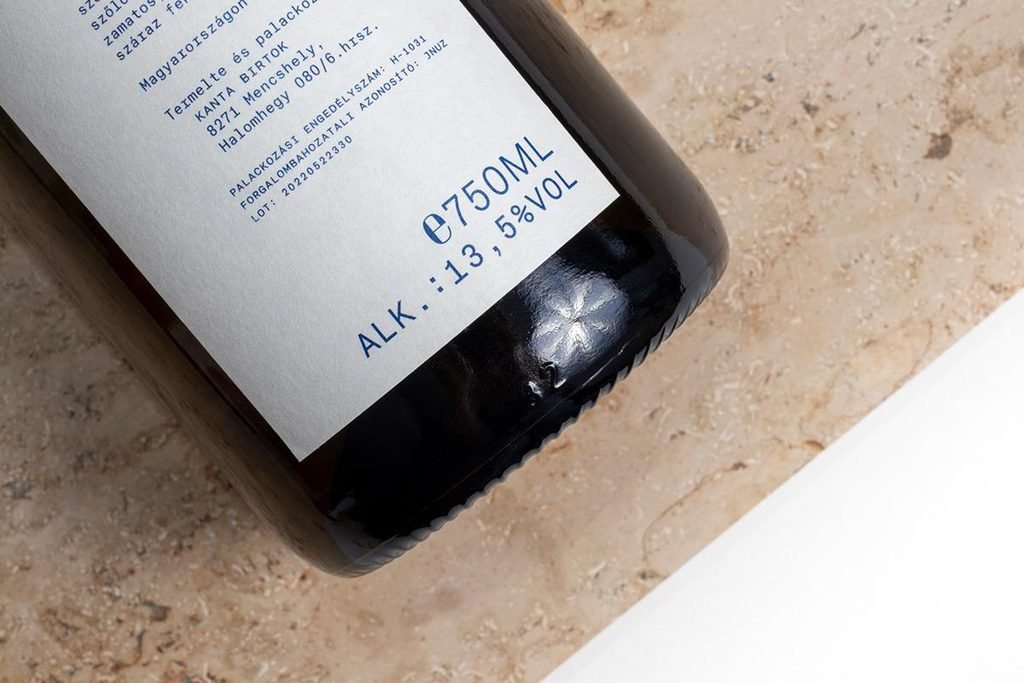
The producer’s name helps identify the business associated with the wine. It may be a winery, an estate, a cooperative, or a commercial brand.
The producer, grower, bottler, and distributor are not necessarily the same entity. Some businesses grow grapes and make wine themselves, while others purchase grapes or finished wine from different suppliers.
A label may also contain a statement about where the wine was bottled. Such wording can provide useful information, but its meaning depends on the specific term and the regulations governing it.
What does “Estate Bottled” mean?
In the United States, “Estate Bottled” has a specific legal definition. It requires the wine to come entirely from grapes grown on land owned or controlled by the winery within the designated viticultural area, with the required production and bottling activities carried out at the winery under the applicable rules.
French expressions such as mis en bouteille au château belong to a different regulatory context. They should not automatically be treated as legally identical to the American term.
The OIV also addresses the use of names referring to viticultural holdings in its international labeling standard. Actual requirements depend on the applicable national framework.
A producer’s identity can be a useful starting point for further research, particularly if you want to learn about vineyard practices, production methods, or the winery’s range of wines.
7. What Do “Reserve,” “Reserva,” and “Grand Cru” Mean?
Wine labels sometimes feature traditional expressions associated with prestige, aging, or geographical classification. Their meanings vary by country and region.
| Term | How to interpret it |
|---|---|
| Reservado | Its use and significance depend on the market and producer. Do not assume that it represents a legally defined aging period or a particular quality level. |
| Reserva | In some wine-producing countries and appellations, this term is subject to specific rules. Its meaning should be checked against the relevant designation. |
| Gran Reserva | In Spain, this designation is associated with regulated aging requirements for applicable wine categories. The precise requirements depend on the category and rules in force. |
| Riserva | Used in Italy under particular appellation systems, with requirements that vary by designation and wine category. |
| Grand Cru | A classification or designation whose meaning depends on the region. Its use in Burgundy, Bordeaux, and Alsace does not represent one universal classification system. |
| Premier Cru | A term used within particular French regional classification systems. Its precise significance depends on the relevant appellation. |
The distinction between a regulated term and a marketing expression is important. A word that sounds prestigious does not necessarily have the same legal meaning on every bottle.
When a term influences your purchasing decision, consult the official rules for the country or appellation concerned. This is more reliable than assuming that the same word guarantees the same production method or aging period worldwide.
8. How Can a Label Indicate Sweetness?
Sweetness is another area where label terminology can be confusing.
For still wines, terms such as dry, medium-dry, and sweet can communicate information about residual sugar, subject to the applicable rules. Residual sugar is the sugar remaining in the wine after fermentation.
The amount of sugar is not the only factor influencing perceived sweetness. Acidity can make a wine seem fresher and less sweet, while ripe fruit aromas can create an impression of sweetness even in a technically dry wine.
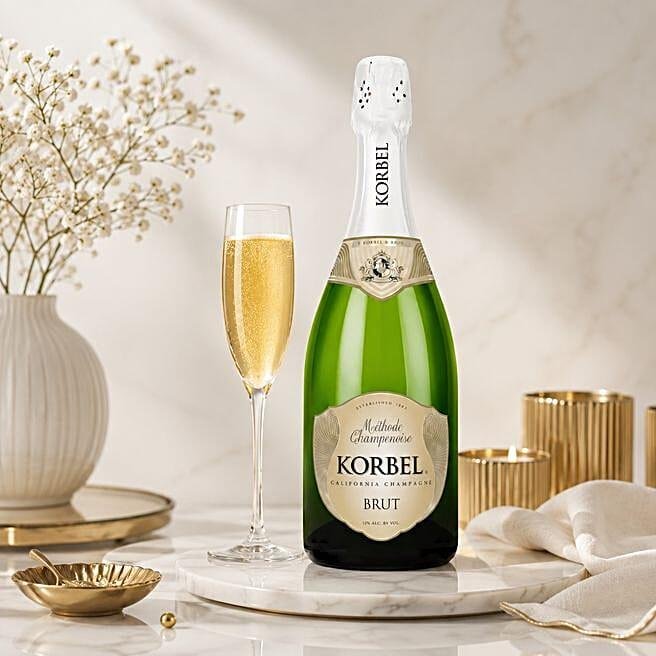
Sparkling wines use a separate set of terms that can surprise beginners. In the relevant European sparkling-wine classification, the general progression from lower to higher sugar levels is:
Brut Nature → Extra Brut → Brut → Extra Dry → Dry → Demi-Sec → Doux
The exact terminology and permitted sugar ranges depend on the applicable regulations and wine category. Importantly, “Extra Dry” sparkling wine is generally sweeter than “Brut,” despite the wording suggesting otherwise.
If sweetness is important to you, look for an explicit designation and check the producer’s information. Do not rely solely on fruit descriptions or the color of the wine.
9. Practical Details: Volume, Sulfites, and Allergens
Labels may contain additional information that is useful when comparing bottles or checking whether a wine suits your needs.
Bottle volume
A 750-milliliter bottle is a common standard size. Smaller bottles, including 375-milliliter half-bottles, and larger formats, such as 1.5-liter magnums, are also available.
Bottle size matters when comparing prices. A bottle with a lower total price may contain substantially less wine, so comparing the price per unit of volume can provide a fairer assessment.
Sulfites
Sulfites can occur naturally during fermentation and may also be added during winemaking. They can help protect wine against oxidation and unwanted microbial activity.
Some markets require a declaration when specified conditions are met. The exact requirements vary by jurisdiction, so a sulfite statement should not be described as a universal labeling requirement.
Ingredients and allergens
Depending on the market and applicable regulations, a label or accompanying electronic information may provide ingredient, nutritional, or allergen details.
If you have an allergy or dietary concern, consult the relevant declarations and reliable information about the specific product. Do not assume that the absence of a particular statement automatically makes a wine suitable for every dietary need.
10. A Practical Example: Reading a Fictional Wine Label
Imagine a hypothetical bottle with the following information:
North Valley Estate
2022 Cabernet Sauvignon
Produced in Chile
13.5% ABV | 750 ml
This example is fictional and is intended only to illustrate how label information can be interpreted.
- North Valley Estate: a hypothetical producer or brand name. The wording alone does not establish ownership or production methods.
- 2022: the stated vintage, subject to the rules that govern its use.
- Cabernet Sauvignon: the named grape variety, subject to applicable varietal-labeling requirements.
- Produced in Chile: the stated country of production. It does not identify a more specific region.
- 13.5% ABV: the stated alcohol concentration.
- 750 ml: the volume of wine in the bottle.
Notice what this label does not establish. It does not specify whether the wine was aged in oak, its exact residual sugar level, or whether the composition includes other grape varieties within the permitted rules.
It also does not prove that the wine is high-quality, suitable for long-term aging, or likely to match a particular person’s taste.
Those questions require additional information from the producer, applicable regulations, or other reliable sources. The example illustrates an important principle: a label provides useful facts, but interpreting it well means distinguishing those facts from assumptions.
11. A Checklist for Comparing Two Wine Bottles
The next time you compare two bottles, use this practical checklist:
- Identify the producer. Look for the winery, estate, or company associated with the wine.
- Check the grape variety or blend. Confirm what is stated and remember that labeling rules vary.
- Compare the origin. Note the country, region, and any named appellation.
- Read the vintage. Consider the year alongside the wine’s style and reliable information about its region.
- Check ABV. Use alcohol percentage as one point of comparison, not a definitive measure of body.
- Look for sweetness information. Interpret terms according to the wine category and applicable rules.
- Investigate traditional terms. Check expressions such as Reserva, Riserva, and Grand Cru in their regional context.
- Review the back label. Look for bottle volume, allergen information, and additional production details.
- Compare prices fairly. Account for bottle size and the information that genuinely matters to you.
You do not need to understand every technical detail to make a more informed choice. The goal is to identify the most useful information, recognize what remains uncertain, and avoid relying on a single word or visual feature.
Frequently Asked Questions
Does a more expensive wine have a better label?
Not necessarily. Label design, paper quality, embossing, and illustrations reflect packaging and branding decisions. They do not independently establish the quality of the wine inside the bottle.
Is an older vintage always better?
No. Some wines are intended to be enjoyed relatively young, while others may develop additional complexity with suitable aging. The result depends on the wine’s characteristics, production methods, and storage conditions.
Does the grape name tell me exactly how a wine will taste?
No. The grape variety provides a useful starting point, but climate, growing conditions, harvest timing, winemaking decisions, and maturation all influence the finished wine.
Why do some wine labels emphasize a region instead of a grape?
Some wine traditions place greater emphasis on geographical origin and appellation. The regional designation can communicate information about origin and production requirements, although the precise implications depend on the particular designation.
Where can I verify an unfamiliar wine-label term?
Start with the official regulatory authority or appellation organization for the country or region concerned. The International Organisation of Vine and Wine also publishes standards and technical resources that explain international labeling concepts.
Final Thoughts
Reading a wine label becomes easier when you approach it as a collection of clues rather than a list of technical terms to memorize.
Start with the producer, grape variety or geographical origin, vintage, and alcohol percentage. Then look for sweetness information, traditional classifications, bottle volume, and other details that matter to your decision.
Most importantly, distinguish what the label actually states from what you might infer. A grape name, a prestigious-sounding expression, or an attractive design can provide context, but none independently guarantees quality or personal preference.
With practice, you can compare bottles more thoughtfully, recognize when information is missing, and make decisions based on details that genuinely matter to you.
Sources and Further Reading
The following official resources provide further information about wine labeling and geographical designations:
- International Organisation of Vine and Wine (OIV) — International Standard for the Labelling of Wines
https://www.oiv.int/standards/international-standard-for-the-labelling-of-wines - OIV — Update of the International Standard for Wine Labelling: Varietal Name
https://www.oiv.int/index.php/node/3815 - OIV — Update of the International Standard for Wine Labelling: Vintage or Harvest Year
https://www.oiv.int/node/3040 - U.S. Alcohol and Tobacco Tax and Trade Bureau (TTB) — Wine Labeling: Appellation of Origin
https://www.ttb.gov/regulated-commodities/beverage-alcohol/wine/labeling-wine/wine-labeling-appellation-of-origin
These resources explain international standards and selected jurisdiction-specific requirements. When interpreting a particular legal designation, always consult the rules applicable to the country and region concerned.
Wine Pathway provides educational information. This article is not a substitute for official regulatory guidance. Alcohol should only be purchased and consumed by people of legal drinking age, in accordance with applicable laws.